
breast reduction surgery
INTRODUCTION
This leaflet explains breast reduction surgery. It is important that you read this information carefully and completely.
What is breast reduction surgery?
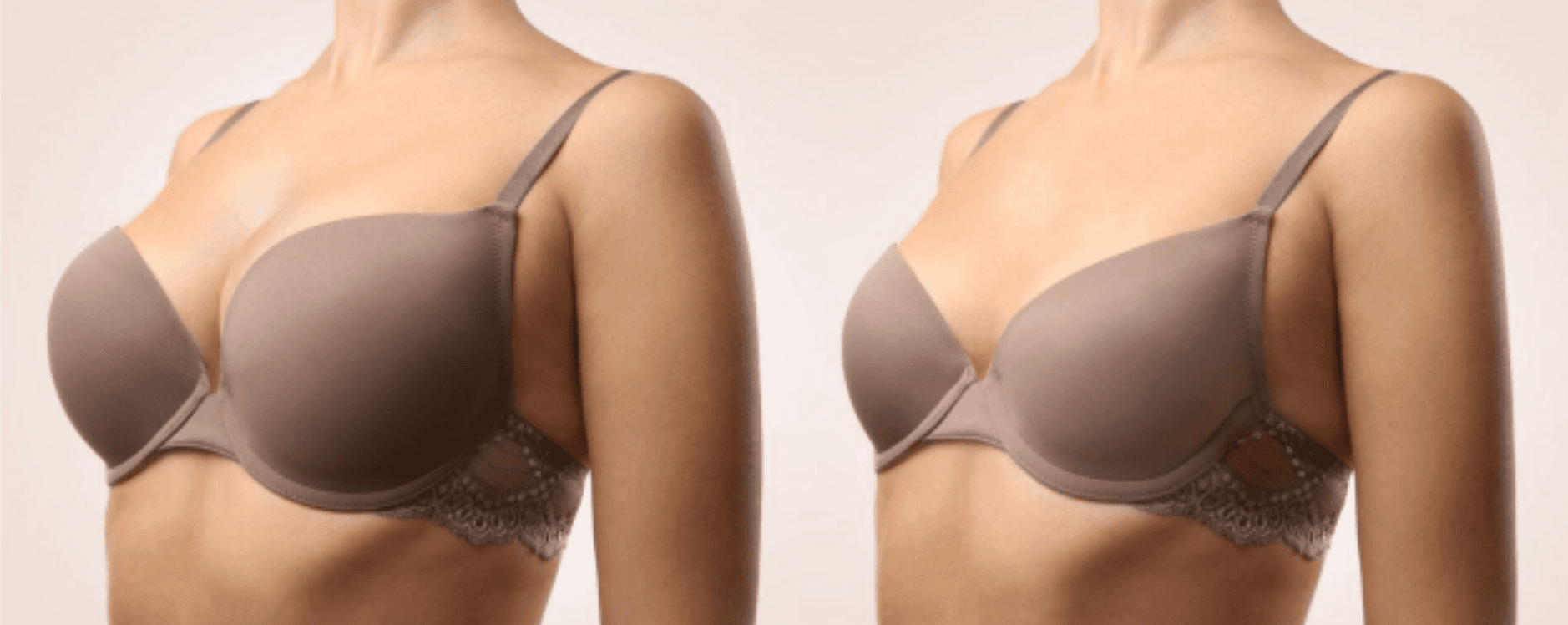
Breast reduction surgery is an operation to make the breasts smaller by taking away fat, breast tissue and skin. The nipples are also lifted and the breasts are reshaped to form smaller breasts.
Why have a breast reduction?
People have this surgery to make their breasts smaller and improve the shape.
Some women have breasts larger than they would like. Large breasts can cause problems like back or neck pain, shoulder grooves in the shoulders from bra straps and rashes underneath the breasts. Women are sometimes self-conscious about their large breasts and feel that they attract unwanted attention. It can also be difficult to wear some clothes or enjoy sports, particularly when the weather is hot.
If you are unhappy with the shape, weight or droop of your breasts, having them reduced can make them smaller and higher. If one breast is larger than the other, this can also be evened out. You may find that after a breast reduction you are more comfortable socially and personally.
Choosing a surgeon
If you decide to have a breast reduction, you should only go to a surgeon who is properly trained. They will advise you on what is possible for you or what will give you the best results.
How can I help my operation be a success?
Be as healthy as possible. It is important to keep maintain a steady weight with a good diet and regular exercise. Your GP can advise on this.
Do not worry about removing hair near where cuts will be made, but do have a bath or shower before your operation to make sure that the area is as clean as possible.
Please bring a sports bra with you to the hospital, as after the surgery you will have to wear the bra day and night for the first four (4) weeks.
Other risks might include bleeding, infections, scar formation, hypertrophic scars and minimal asymmetry.
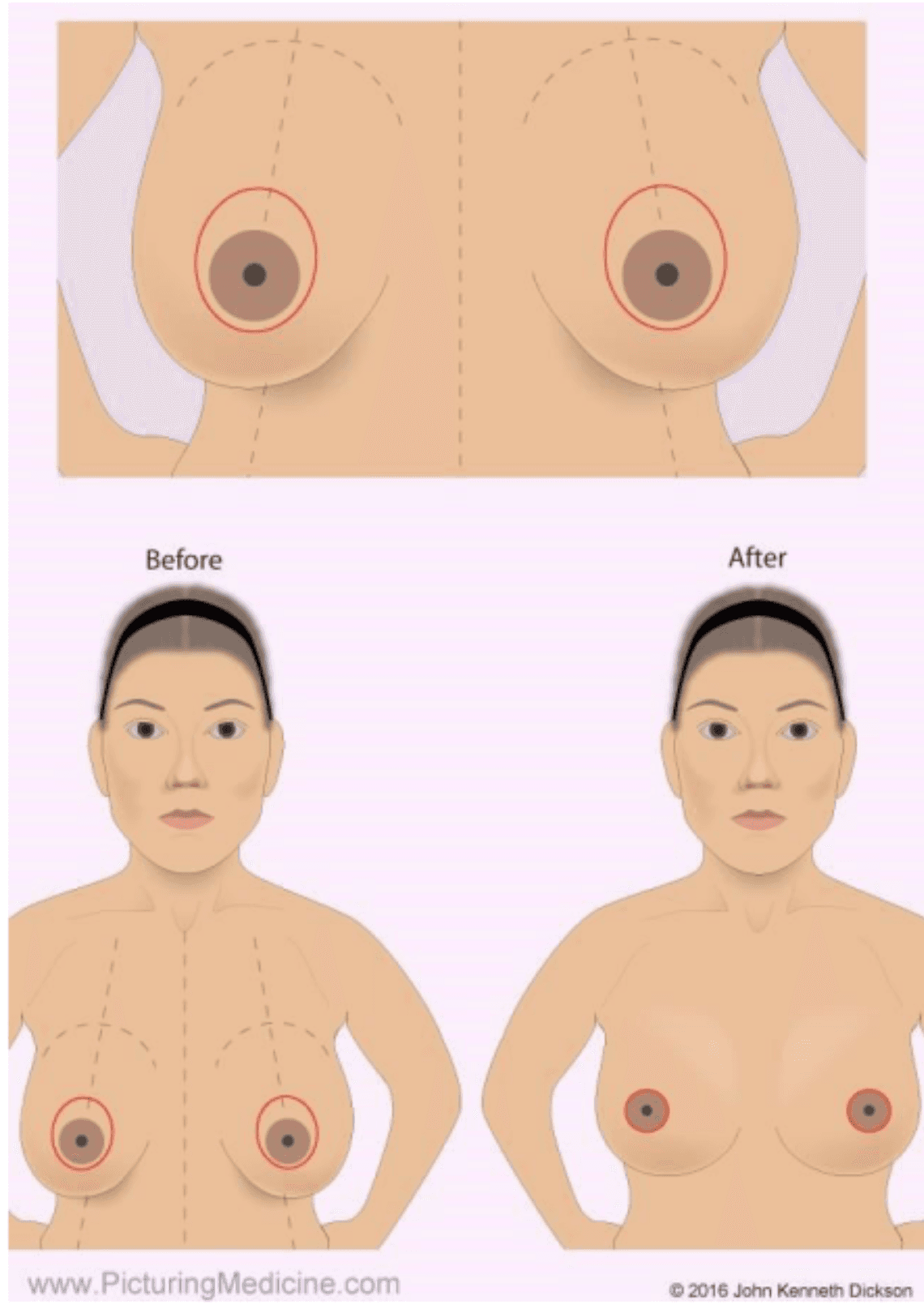
The Circumareolar Reduction
With a circumareolar reduction, also known as a periareolar reduction, the only scar is around the areola (the darker skin around the nipple).
This type of reduction only works when just a small amount of tissue needs to be removed. It can also be good when only one breast needs to be made smaller to match the other one.
There are different types of breast reduction. The most suitable type for you depends on the size of your breasts and how much of a reduction you desire. The different types of breast reduction leave different scars on the breasts. Regardless of the type of reduction you have, the scars should not be visible when you wear normal clothing, bras and bikini tops.
What will happen before my operation?
You will meet your surgeon to talk about your reason for wanting surgery and what you would like to have. The surgeon will make a note of any illnesses you have or have had in the past. They will also make a record of any medication you are on, including birth control, herbal remedies and medicines that are not prescribed by your doctor.
Your surgeon will examine your breasts and may take some photographs for your medical records. The pictures are personal and won’t be used without your prior permission. Depending on your age and family history, a mammogram may also be needed to asses the breast before the surgery.
Your height and weight will be measured to ensure that it is safe to do an operation. If you are overweight, pregnant or planning to become pregnant, delaying your operation till further notice is the best option.
Certain types of medicine such as blood thinners must be stopped a few days before surgery. You should also stop smoking at least six weeks before and six weeks after the surgery as smoking increases the chance of complications during the operation and wound healing.
You will be admitted to the hospital on the day of the surgery after which you will remain one to two nights. You should also bring a picture of the size you would like your breast to be as well as this brochure.
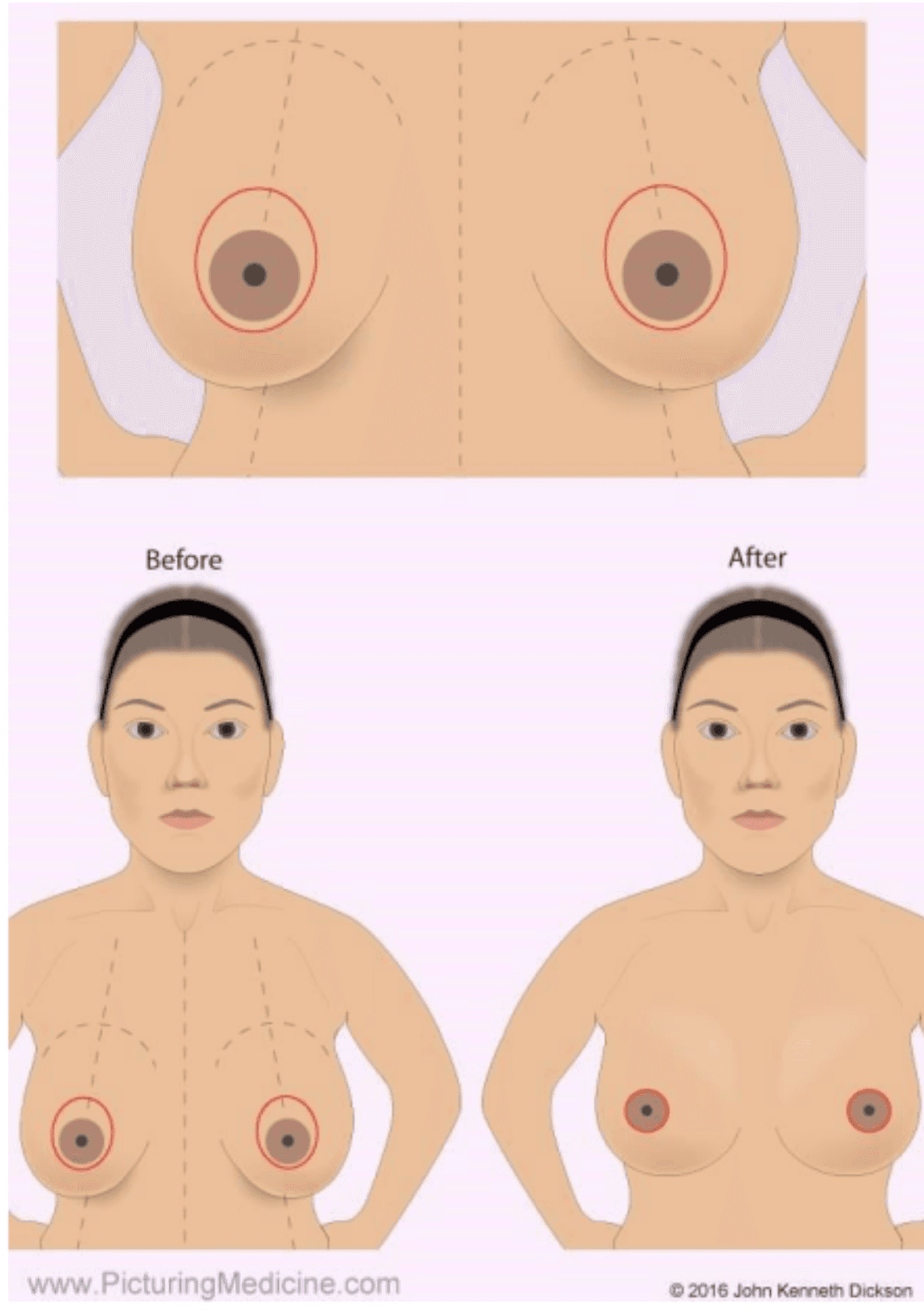
The Anchor-type or Inverted-T Reduction
This is the most common type of reduction. The cut starts around the nipple, travels straight down and then along the crease under the breast. If your breasts are very large or droopy, your nipple might need to be completely removed and then stitched back on in a new position. Your nipple will not feel normal after this.
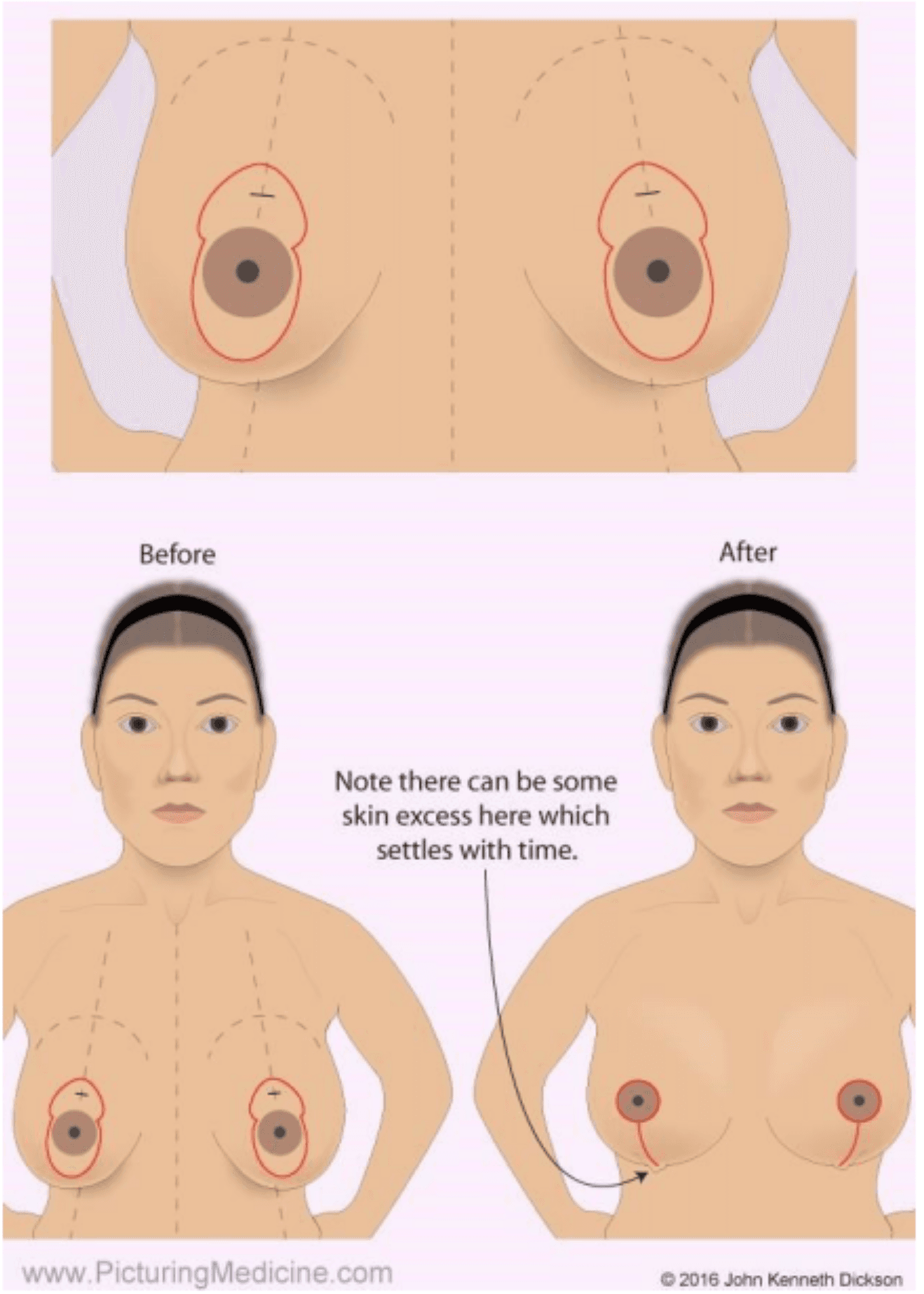
The Vertical-pattern Reduction
The cut is made around the nipple and travels straight down but with no cut underneath the breast. Though the scar is smaller with this type of reduction, the skin around it can look puckered. The vertical-pattern reduction is not suitable for very large breasts.