
cerebrovascular accident/stroke: what you need to know
WHAT IS A STROKE?
Cerebrovascular Accident (CVA) is the medical term for a stroke. A stroke (CVA) occurs when blood flow to the part of the brain that receives oxygen or nutrients is stopped, either by a blockage or the rupture of a blood vessel. The word “stroke” is a collective term for the following:
- Transient ischemic attack (TIA): the symptoms of loss of function last less than 24 hours.
- Cerebral infarction (IIA): the symptoms of loss of function last longer due to the blockage of a blood vessel.
- Cerebral hemorrhage (CHE): a blood vessel is ruptured.
A TIA and a cerebral infarction are more common than a cerebral hemorrhage.
WHAT ARE THE SYMPTOMS?
The quicker you can get a diagnosis and treatment for a stroke, the better your prognosis will be. For this reason, it’s important to understand and recognize the symptoms of a stroke. About 9 out of 10 people experience at least one of the following symptoms during a stroke:
- Difficulty walking;
- Dizziness;
- Loss of balance and coordination;Difficulty speaking or understanding others who are speaking;
- Confusion;
- Numbness or paralysis in the face, leg, or arm, most likely on just one side of the body;
- Blurred vision or double vision;
- Sudden headache, especially when accompanied by nausea, vomiting, or dizziness;
- Loss of vision in a visual field.
WHAT ARE THE RISK FACTORS?
These habits and illnesses often increase the risk of stroke:
- High blood pressure;
- Smoking;
- Being overweight;
- Diabetes;
- High cholesterol.
A TIA or cerebral infarction can also be caused by narrowing of the carotid arteries or by problems with the heart. These can include, for example, arrhythmias.
HOW IS A DIAGNOSIS MADE?
A CT or MRI scan can image the brain. This will determine whether someone has a TIA, a cerebral infarction, or a cerebral hemorrhage. Once the neurologist knows the cause, the appropriate treatment can begin quickly. It is therefore important that the patient recognizes the symptoms in time so treatment can begin promptly.
WHAT PREVENTATIVE MEASURES SHOULD BE TAKEN?
Many stroke prevention strategies are the same as strategies to prevent heart disease. In general, healthy lifestyle recommendations include:
- Control high blood pressure, known as hypertension;
- Lower cholesterol and saturated fat intake from the diet;
- Quit tobacco usage;
- Manage diabetes;
- Maintain a healthy weight;
- Eat a diet rich in fruits and vegetables;
- Exercise regularly;
- Drink alcohol in moderation;
- Treat obstructive sleep apnea;
- Keep away from illicit drugs.
Preventative Medicinal Measures
It is important to begin treatment for a stroke quickly. This reduces the risk of the damage not resolving. After a stroke, the patient undergoes several additional tests to determine the cause.
In the first few days after a TIA or stroke, the risk of another TIA or stroke is high. Starting treatment quickly reduces this risk.
If you or someone you know has experienced a TIA or stroke, the following medicines can lower your risk of having a stroke in the future:
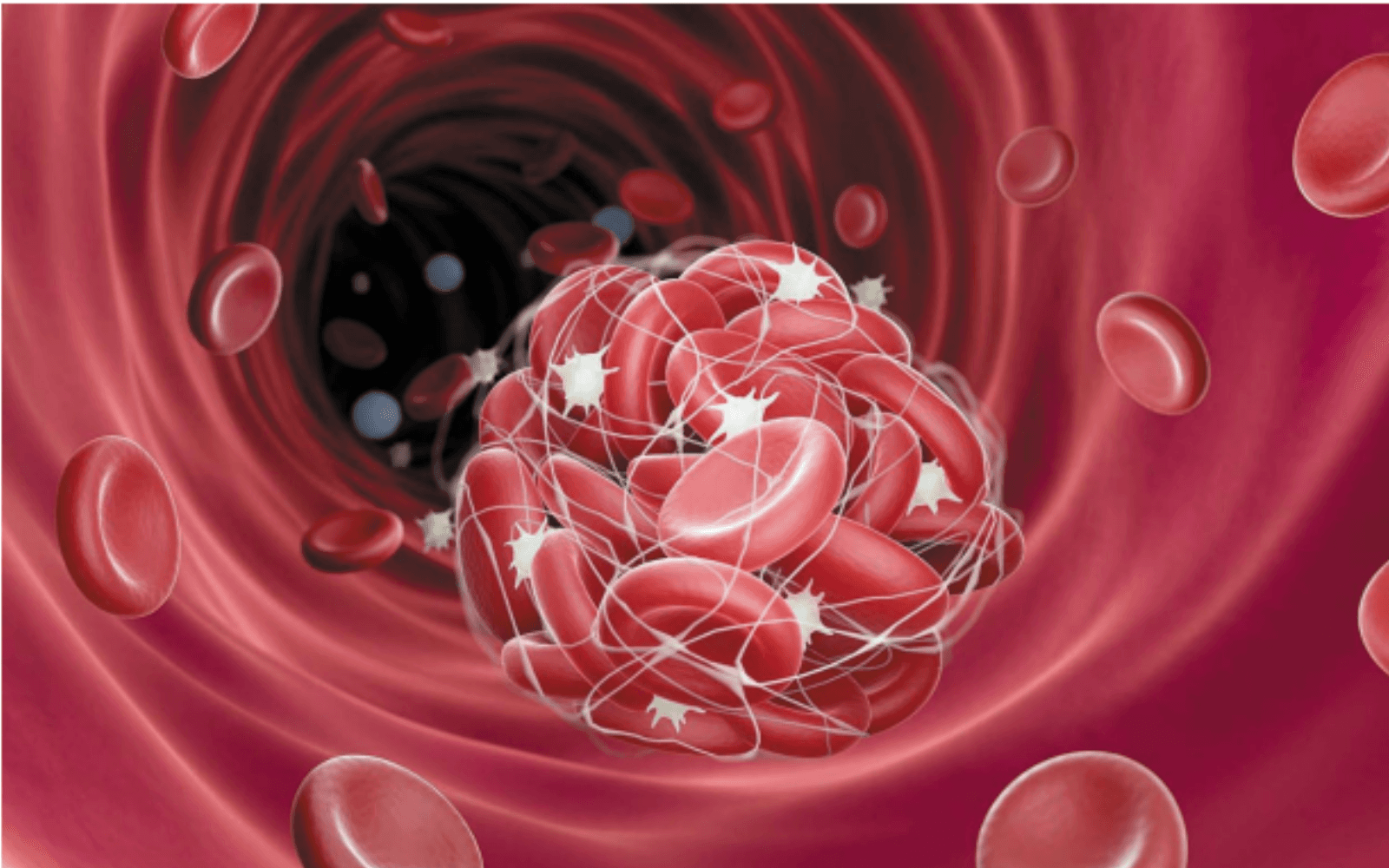
- Anti-platelet drugs: This helps blood cells become less sticky and less likely to clot.
- Blood-thinning medicines (Anticoagulants): Help reduce the risk of blood clotting and can be used over a longer period of time.
COMPREHENSIVE AND COMPASSIONATE CARE
At SMMC, our goal is to improve your quality of life through personalized, compassionate care. From diagnosis to treatment, we are here to support you every step of the way. For more information, please contact the Neurology Department using the information on the back of this brochure.