
dietary plan for pregnancy induced hypertension
What you need to know about gestational hypertension
The diagnosis of gestational hypertension is made when a woman develops high blood pressure during pregnancy. Pregnant women should have their blood pressure checked regularly throughout the pregnancy. Gestational hypertension can develop into pre-eclampsia. Pre-eclampsia is a serious condition that can be life-threatening for both the fetus and the mother. The mother's brain, kidneys and liver can be affected. Delivery is the only "cure" for pre-eclampsia, or the more serious condition known as eclampsia. Pre-eclampsia is also called toxemia. Women with gestational hypertension need regular medical check-ups. The side effects of blood-pressure-lowering medication are worth tolerating, so that the fetus has more time to develop. Although gestational hypertension is a condition that requires medical intervention, dietary changes can also help in controlling high blood pressure. Remember that gestational hypertension is a serious condition that can endanger the life and health of both mother and child. Do not try to treat this condition yourself!
What you need to know about gestational hypertension
- Eat 4 or 5 servings of vegetables daily.
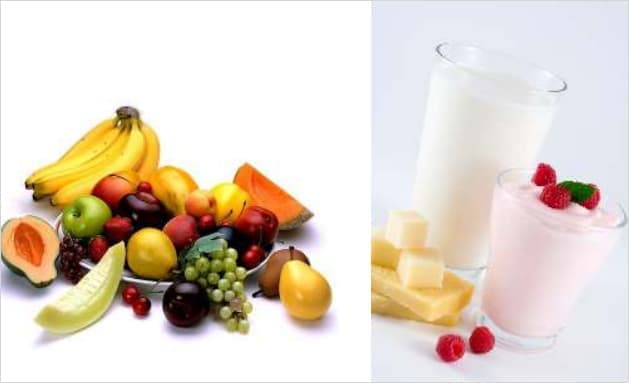
- Eat 4 or 5 servings of fruit daily.
- Have 2 or 3 servings of low-fat or semi-skimmed dairy products daily.
- Limit consumption of fish, poultry and meat to two 85-gram servings per day.
- Eat 4 or 5 servings of legumes, seeds or nuts weekly.
- Limit consumption of sweets and added sugar to 5 servings per week.
- Limit consumption of healthy fats to 2-3 servings per day. Avoid animal fats.
- Eat 7 to 8 servings of whole-grain products daily.
- Reduce your sodium intake. Read the labels. There is a lot of hidden sodium (salt) in all kinds of processed foods.