
epilepsy: what you need to know
WHAT IS EPILEPSY
Epilepsy is a neurological (brain) disorder where abnormal brain activity causes seizures. These seizures may involve unusual behavior, sensations, or even loss of awareness.
WHAT CAUSES EPILEPSY?
In about half of cases, the cause is unknown. In others, epilepsy may be linked to:
- Genetics: Some forms run in families.
- Head injuries: Especially from car accidents or falls.
- Brain abnormalities: Including tumors or stroke.
- Infections: Like meningitis or encephalitis.
- Prenatal injuries: Brain damage before birth due to infection, poor nutrition, or lack of oxygen.
- Developmental conditions: Such as autism or cerebral palsy.
CAN EPILEPSY BE TREATED?
Yes. Most people with epilepsy can manage their seizures with medications. In some cases, surgery or other treatments may be needed. Some individuals may eventually stop having seizures entirely. Children sometimes outgrow the condition.
WHO CAN BE AFFECTED?
Anyone can develop epilepsy. It affects people of all ages, genders, races, and ethnic backgrounds.
RISK FACTORS
You may be at higher risk if you:
- Are a child or older adult;
- Have a family history of epilepsy.
- Have had a serious head injury;
- Have had a stroke, dementia, or brain infection;
- Had seizures with high fever as a child.
WHAT IS A SEIZURE?
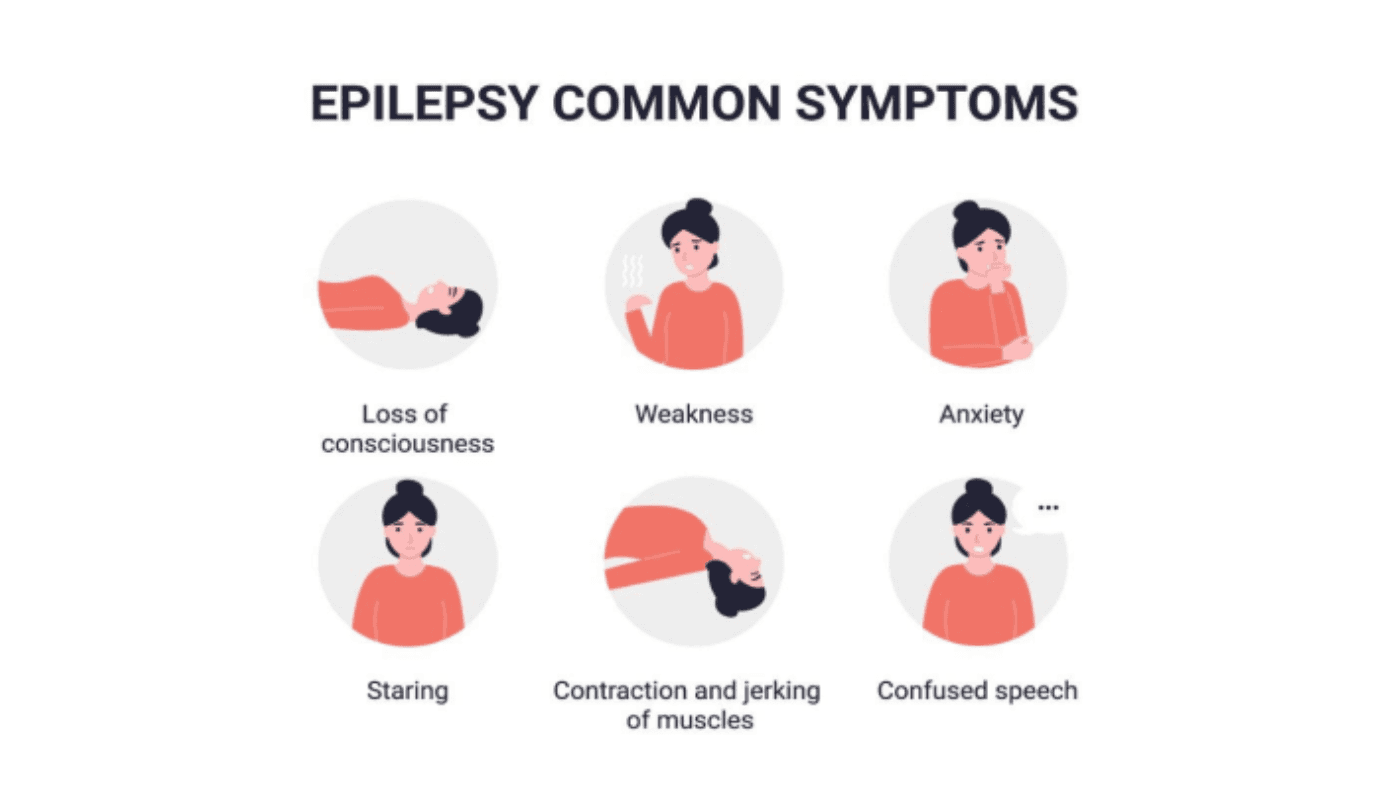
Seizure symptoms vary widely. Some people may briefly stare into space, while others may experience muscle jerking or lose consciousness. Having a single seizure does not mean you have epilepsy. A diagnosis typically requires at least two unprovoked seizures, occurring at least 24 hours apart.
SYMPTOMS OF SEIZURES
Because seizures are caused by abnormal brain activity, they can affect any process the brain controls. Symptoms may include:
- Temporary confusion;
- A blank staring spell;
- Stiff muscles;
- Jerking movements of the arms or legs;
- Loss of consciousness or awareness.
- Psychological symptoms (fear, anxiety, déjà vu).
Seizures often follow a pattern in individuals, so symptoms tend to be similar from one episode to another.
TYPES OF SEIZURES
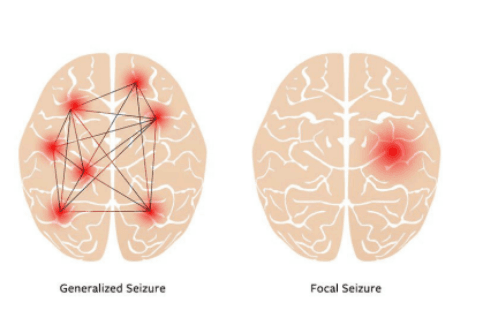
Doctors classify seizures into two main types based on where they begin in the brain:
- Generalized seizures
- Focal seizures
Focal Seizures (Start in One Area of the Brain)
- Without loss of consciousness: You may stay aware but feel changes in emotions, senses (like smell or taste), or experience twitching or unusual sensations.
- With impaired awareness: You may appear confused, unresponsive, or perform repetitive movements like hand rubbing or walking in circles.
Focal seizures can resemble other conditions like migraines or mental health disorders, so accurate diagnosis is important.
Generalized Seizures (Involve the Whole Brain)
There are six types:
- Absence seizures (formerly “petit mal”): Brief staring spells, often with blinking or lip-smacking, usually in children;
- Tonic seizures: Sudden muscle stiffness, often causing falls;
- Atonic seizures: Sudden loss of muscle tone, leading to collapse;
- Clonic seizures: Rhythmic jerking, especially in face, neck, or arms;
- Myoclonic seizures: Quick jerks or twitches, often in upper body;
- Tonic-clonic seizures (formerly “grand mal”): Involve stiffening, shaking, and loss of consciousness, sometimes with tongue biting or loss of bladder control.
POSSIBLE COMPLICATIONS
Seizures can lead to:
- Falls and injuries;
- Drowning, if seizures occur while swimming or bathing;
- Car accidents (many places have driving restrictions for people with epilepsy);
- Pregnancy risks, for both mother and baby;
- Emotional health issues, such as anxiety or depression.
Serious but rare complications include:
- Status epilepticus: Seizures lasting more than 5 minutes or occurring back-to-back without recovery. This requires emergency care;
- SUDEP (Sudden Unexpected Death in Epilepsy): A rare but serious risk, especially in people with frequent tonic-clonic seizures not controlled by medication.
WHEN TO SEEK EMERGENCY CARE
Seek emergency care if:
- A seizure lasts more than five minutes;
- The person doesn’t regain consciousness;
- Another seizure starts right after;
- The person is pregnant, has diabetes, or is injured;
- The seizure happens in someone who’s never had one before;
- Seizures continue despite taking medication.