
herniated lumbar disc: what you need to know
WHAT IS HERNIATED LUMBAR DISC?
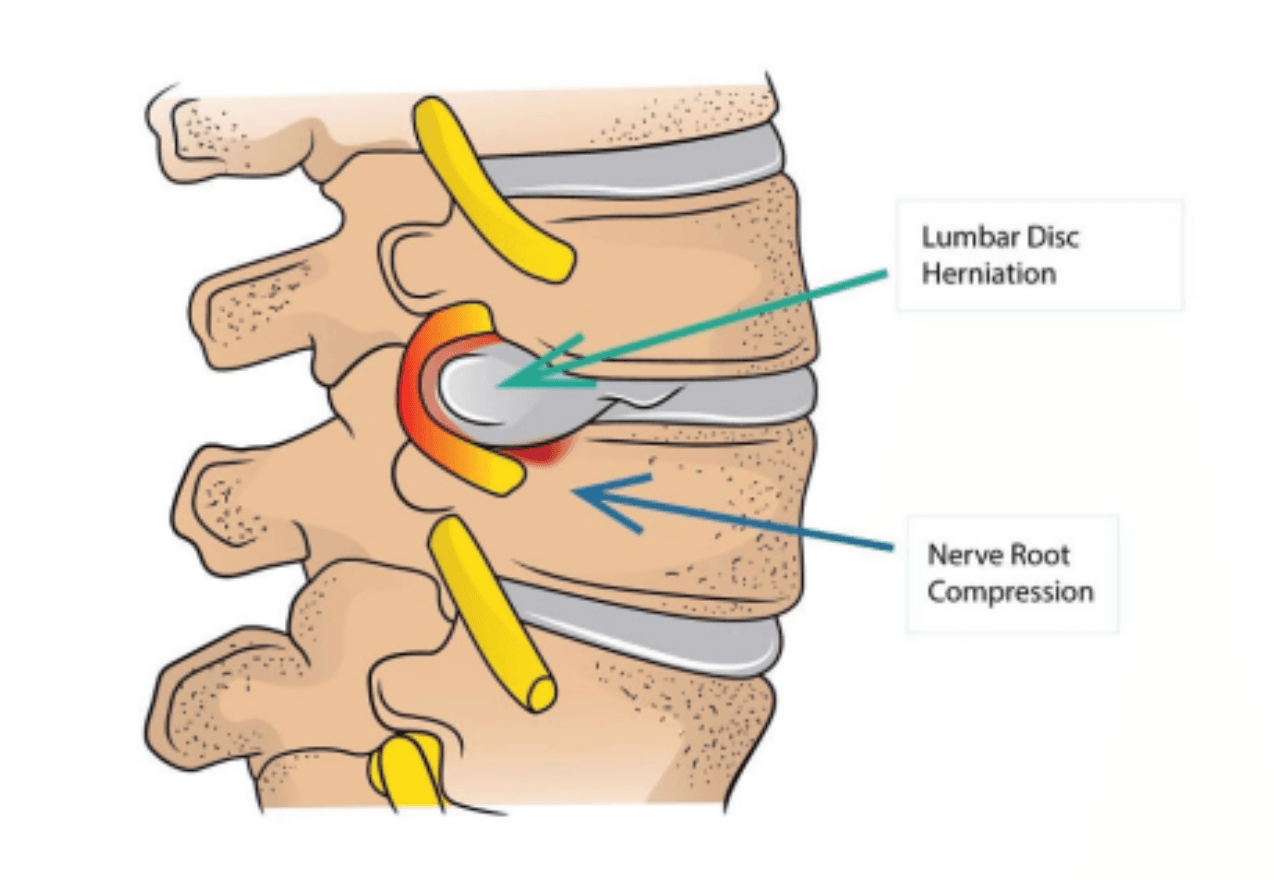
The medical term for a herniated disc is hernia nuclei pulposi, abbreviated HNP. A herniated disc is a bulging of an intervertebral disc. This causes compression of a nerve that goes to the leg or arm. A herniated disc usually occurs in the lower back and less often in the neck. This brochure only concerns herniated discs in the lower back.
WHAT ARE THE SYMPTOMS?
Most herniated discs occur in the lower back region. Symptoms depend on where the disc is sitting and whether the disc is pressing on a nerve. The pain usually develops quickly, often for no apparent reason.
- Leg pain: Persons with a herniated disc typically feel pain in the lower back, buttocks, thigh, and calf. Pain might even be experienced in part of the foot as well.
- Numbness or tingling: Often there is radiating numbness or tingling in the body part served by the affected nerves.
- Weakness: Muscles served by the affected nerves tend to weaken. This can cause imbalance or affect one’s ability to lift or hold items.
WHAT IS THE CAUSE?
The intervertebral disc consists of an elastic ring and a soft inner lining. Standing or sitting upright puts pressure on the elastic ring. If this ring loosens, the soft inner surface can bulge. This can pinch a nerve. Herniated discs usually occur in people between the ages of 25 and 50. It occurs more often in men than women.
HOW IS A DIAGNOSIS MADE?
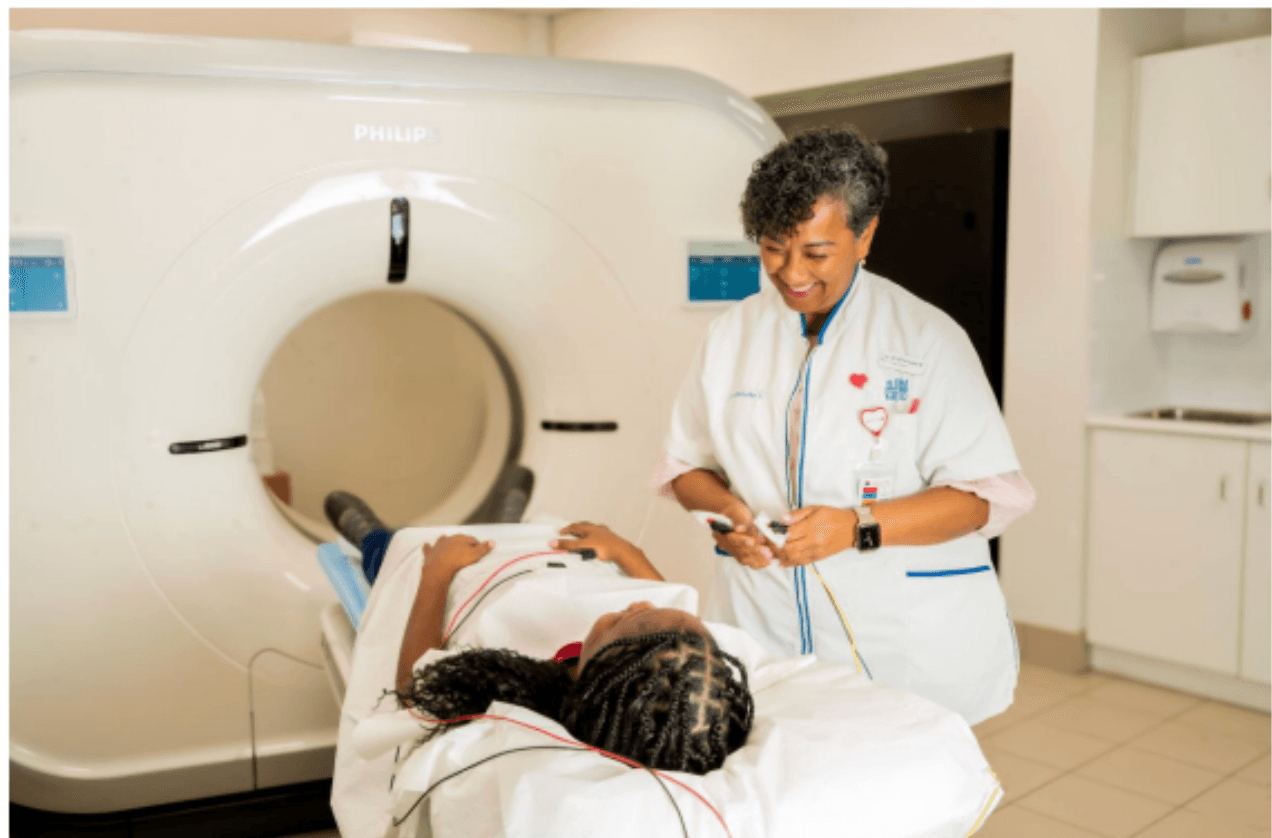
Based on a patient’s symptoms, a physical exam will determine whether nerve irritation has occurred. To determine which nerve is compressed, knowledge of the route of the radiating pain in the leg is important. The doctor will test for muscle strength, reflexes, and sensations in the skin through a neurological exam. In more severe cases, a herniated disc can be detected on an MRI scan and EMG.

WHAT TREATMENT IS POSSIBLE?
The leg pain will decrease when there is less pressure on the nerve. By adapting to conservative treatment, such as lifestyle changes that decrease risks of back pain and pain medication, the bulging disc should reduce in size. This almost always happens on its own. During the first few weeks, patients should minimize strain on the back, but bed rest is not necessary.
- Painkillers are helpful during this period.
- Physiotherapy can help strengthen the back muscles.
About 80% of patients heal well within 2 to 3 months. If leg pain persists, patients are urged to discuss with a doctor whether surgery might be helpful. Sometimes surgery is necessary sooner.
COMPREHENSIVE AND COMPASSIONATE CARE
At SMMC, our goal is to improve your quality of life through personalized, compassionate care. From diagnosis to treatment, we are here to support you every step of the way. For more information, please contact the Neurology Department using the information on the back of this brochure.