
cirugía de liposucción
INTRODUCCIÓN
Este folleto explica la liposucción. Es importante que lea esta información detenidamente y por completo sobre los riesgos y las complicaciones de la cirugía, así como sobre los cuidados posteriores. Por favor, traiga este folleto el día de la cirugía.
¿Qué es la liposucción?
La liposucción consiste en eliminar el exceso de grasa mediante un tubo. Es más eficaz en personas con peso normal y piel firme y elástica. No sustituye la pérdida de peso.
¿Por qué someterse a una liposucción?
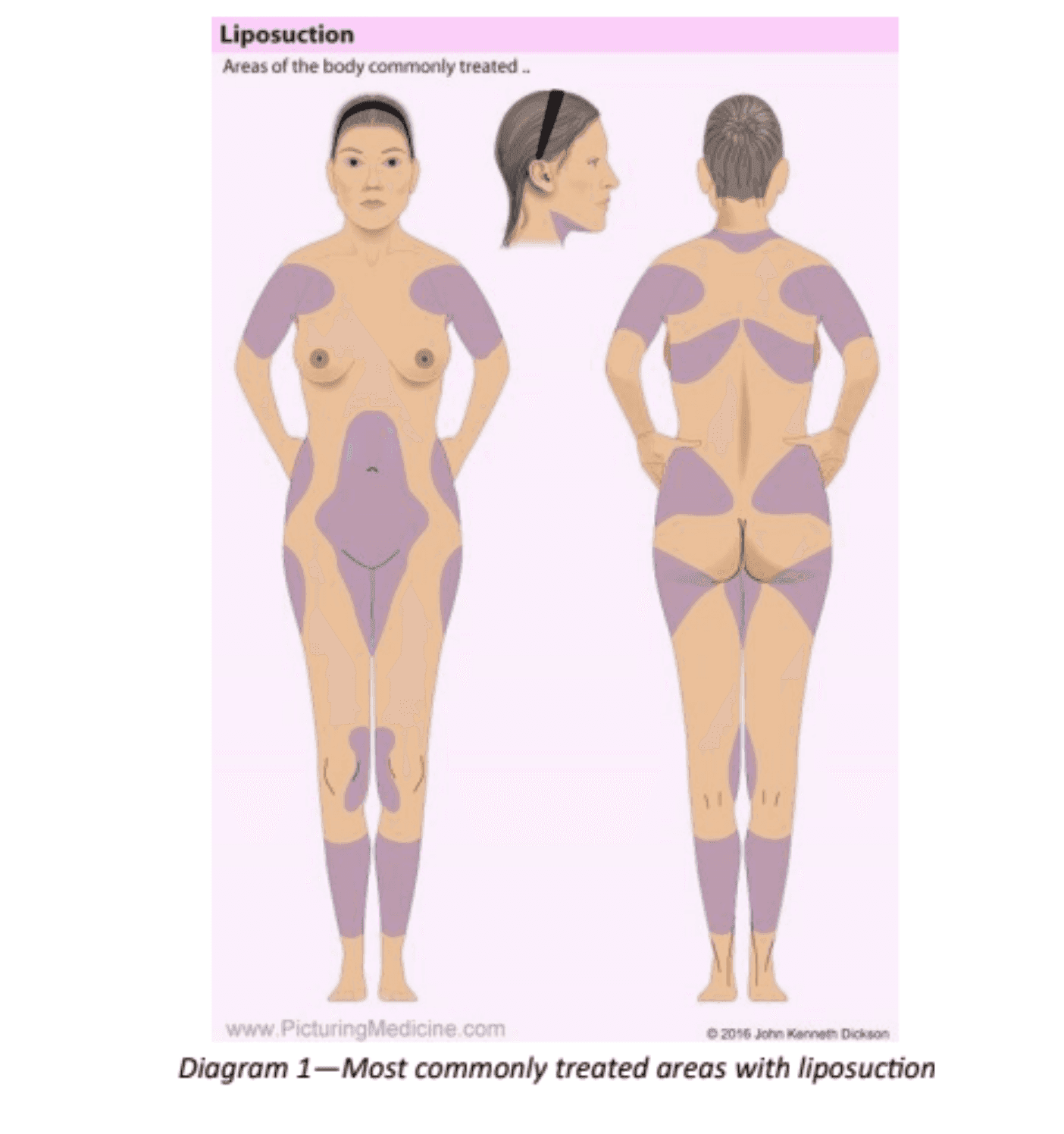
La liposucción puede ayudar a corregir y mejorar el contorno de las zonas del cuerpo donde resulta difícil perder peso. Las áreas que se tratan con mayor frecuencia mediante liposucción son el abdomen, las caderas, los glúteos, los muslos, las rodillas, el cuello y la parte superior de los brazos. (Véase el diagrama 1).
¿Qué sucederá antes del procedimiento?
Te reunirás con tu cirujano para hablar sobre el motivo de tu cirugía y el procedimiento que deseas realizar. El cirujano tomará nota de cualquier enfermedad que tengas o hayas tenido en el pasado. También registrará cualquier medicamento que estés tomando, incluyendo anticonceptivos, remedios herbales y medicamentos no recetados por tu médico.
Su cirujano examinará las zonas problemáticas y posiblemente tome algunas fotografías para su historial médico. Las fotografías son personales y no se utilizarán sin su autorización previa.
Se medirá su estatura y peso para asegurar que la operación sea segura. Si tiene sobrepeso, está embarazada o planea quedar embarazada, lo mejor es posponer la operación hasta nuevo aviso.
Ciertos medicamentos, como los anticoagulantes, deben suspenderse unos días antes de la cirugía. También debe dejar de fumar al menos seis semanas antes y seis semanas después de la intervención, ya que fumar aumenta el riesgo de complicaciones durante la operación y la cicatrización de la herida.
Ingresará en el hospital el día de la intervención y recibirá el alta el mismo día, siempre que se encuentre bien.
¿Cómo se realiza el procedimiento?
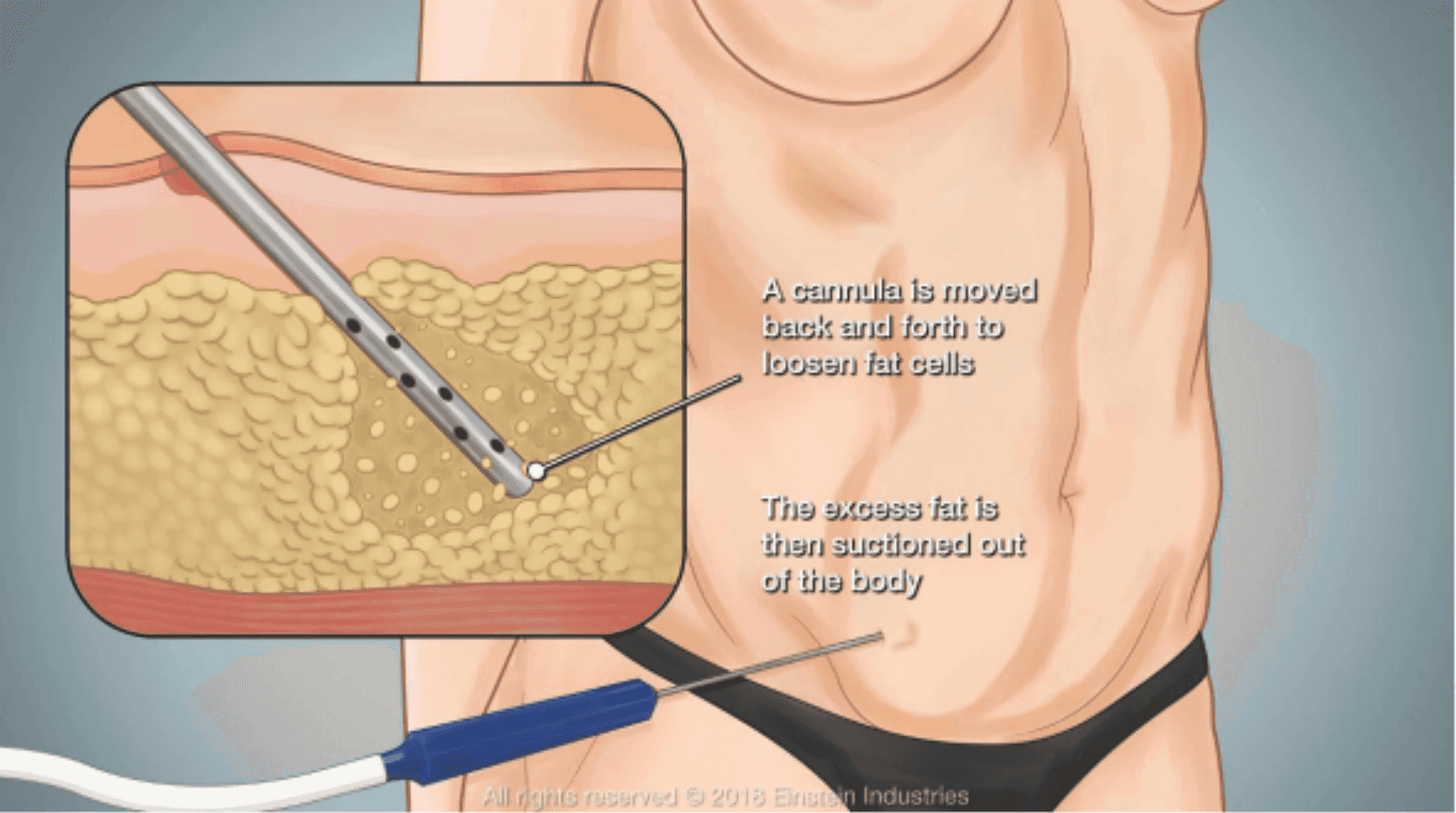
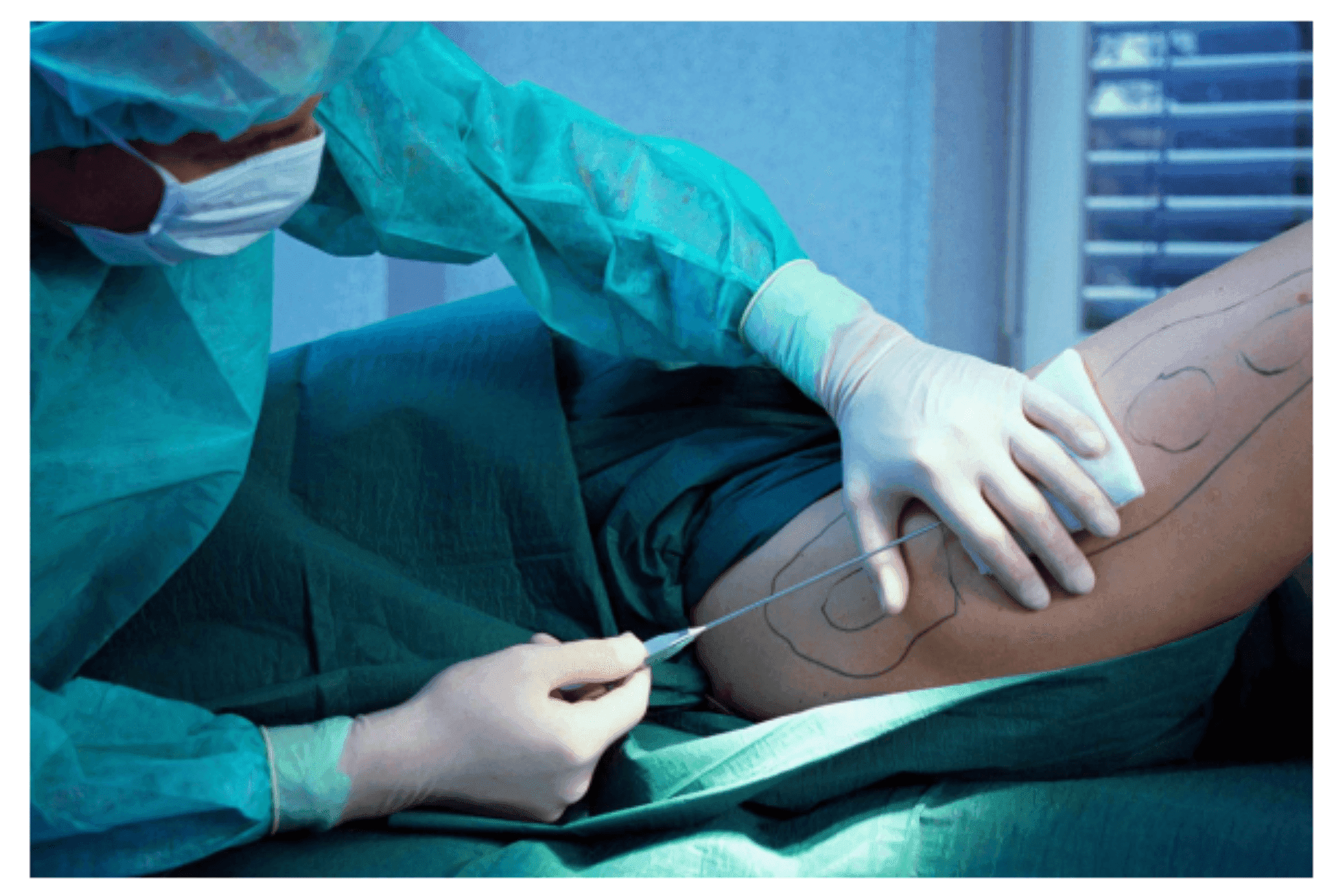
La liposucción se realiza mediante un tubo delgado llamado cánula, que se inserta a través de pequeñas incisiones en la piel. La cánula se utiliza para desprender el exceso de grasa con un movimiento controlado de vaivén. Posteriormente, se conecta un dispositivo de succión a la cánula para eliminar la grasa desprendida, logrando así la forma deseada en la zona tratada.
Existen algunas técnicas ligeramente diferentes que se utilizan durante la liposucción. Algunos cirujanos inyectan soluciones en la zona a tratar (técnica húmeda o tumescente) y otros no. La succión se suele realizar con una potente máquina de vacío, pero en ocasiones es posible utilizar una jeringa simple para áreas pequeñas. La lipectomía asistida por ultrasonido, en la que se utilizan ondas ultrasónicas para ayudar a romper las células grasas y facilitar su extracción, es otra técnica que también se utiliza.
Cómo elegir un cirujano
Si decides someterte a una liposucción, acude únicamente a un cirujano debidamente capacitado. Él o ella te asesorará sobre las posibilidades en tu caso y sobre cómo obtener los mejores resultados. Antes del procedimiento, habla con tu cirujano sobre la posibilidad de necesitar cirugías adicionales.
La liposucción nunca es una urgencia. Si no le dan tiempo para pensarlo o no le han informado adecuadamente sobre el procedimiento o los riesgos, debería posponer la cirugía o consultar con otro cirujano.
¿Cómo puedo contribuir al éxito del procedimiento?
Mantente lo más saludable posible. Es importante mantener un peso saludable con una buena alimentación y ejercicio regular. Tu médico de cabecera puede aconsejarte al respecto.
No se preocupe por depilarse cerca de la zona donde se realizarán los cortes, pero sí es recomendable bañarse o ducharse antes de la operación para asegurarse de que la zona esté lo más limpia posible.
Debe evitar tomar aspirina o antiinflamatorios durante las dos semanas previas al procedimiento. Si padece anemia, debe tomar suplementos de hierro. Su cirujano podría recomendarle que deje de tomar la píldora anticonceptiva si la liposucción va a ser extensa y posiblemente implique la eliminación de exceso de tejido.
Tras la cirugía, deberá usar una prenda de compresión día y noche durante al menos seis semanas.
Otros riesgos podrían incluir hemorragias, infecciones, hinchazón, formación de cicatrices, cicatrices hipertróficas, asimetría mínima y flacidez de la piel.