
migraine: what you need to know
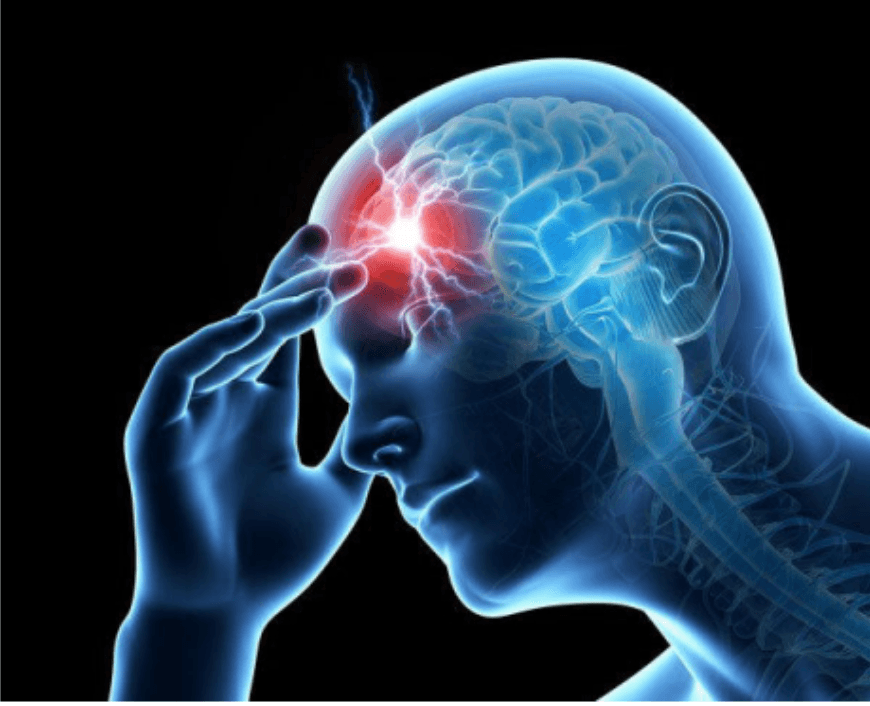
WHAT IS A MIGRAINE?
A migraine is a consistent headache that can cause intense throbbing pain or a pulsing feeling, usually on one side of the head. It is often followed by nausea, vomiting, and extreme sensitivity to light and sound. Migraine attacks can last for hours to days, and the pain can be so bad that it interferes with your daily activities. According to the WHO, 40% of the global population suffer from migraines; however, migraines are more common in women than men.
WHAT ARE THE SYMPTOMS?
Migraines can affect children, teenagers, as well as adults. Migraines can progress through four stages, each with their own symptoms. These stages are prodrome, aura, attack, and postdrome. It’s important to note that not all stages may be experienced, as this can vary depending on the individual having the migraine.
(Prodrome) One or two days before a migraine, you might notice subtle changes that warn of an upcoming migraine, such as:
- Constipation;
- Mood changes, from depression to elation;
- Food cravings;
- Neck stiffness;
- Increased urination;
- Fluid retention;
- Frequent yawning.
An aura might occur before or during migraines for some people. Auras are reversible symptoms of the nervous system. They’re usually visual but can also include other disturbances. Each symptom usually begins gradually and builds up over several minutes, up to 60 minutes.
Examples of migraine auras include:
- Visual changes, such as seeing shapes, bright spots, or flashes of light;
- Vision loss;
- A feeling of pins and needles in an arm or leg;
- Weakness or numbness in the face or one side of the body;
- Trouble speaking.
(Attack) Migraine attacks usually lasts 4 to 72 hours if it's not treated. During this episode a person may experience:
- Pain that’s on one side of your head, although it can occur on both sides;
- Pain that throbs or pulses;
- Sensitivity to light, sound, and sometimes smell and touch;
- Nausea and vomiting.
(Postdrome) After a migraine attack, you might feel drained, confused and worn out for up to a day. Some people report feeling elated. Sudden head movement might briefly bring on the pain again.
WHAT IS THE CAUSE?
Though migraine causes aren’t fully understood, genetics and environmental factors appear to play a role. During migraine attacks, dysregulation of the fifth cranial nerve (trigeminal nerve) and an altered sensitivity to pain play a significant role. Migraine patients are believed to have a lowered threshold for triggering migraine attacks. As a result, internal or external stimuli can easily trigger a migraine attack. Predisposition plays a role in this.
Migraines can be triggered by the following:
- Hormonal changes;
- Alcohol and caffeine;
- Stress;
- Sensory stimuli;
- Sleep changes;
- Physical strain;
HOW IS THE DIAGNOSIS MADE?
The doctor makes the diagnosis based on your symptoms. If the headache follows a certain pattern, the diagnosis of migraine can be made. Additional tests, such as a CT or MRI scan, are then not necessary. These are only done in exceptional cases.
WHAT TREATMENT OPTIONS ARE AVAILABLE?
Migraine treatment consists of taking medication prescribed by a physician. Medication can be used to treat a headache and nausea during an attack. Medication can also be used to prevent a migraine attack. Taking medication daily can reduce the risk of an attack or reduce the number of migraines experienced.
These lifestyle practices can reduce the risk of a migraine:
- Good sleep quality
- Healthy diet
- Exercise regularly
COMPREHENSIVE AND COMPASSIONATE CARE
At SMMC, our goal is to improve your quality of life through personalized, compassionate care. From diagnosis to treatment, we are here to support you every step of the way. For more information, please contact the Neurology Department using the information on the back of this brochure.