
parkinson’s disease: what you need to know
WHAT IS PARKINSON’S DISEASE?
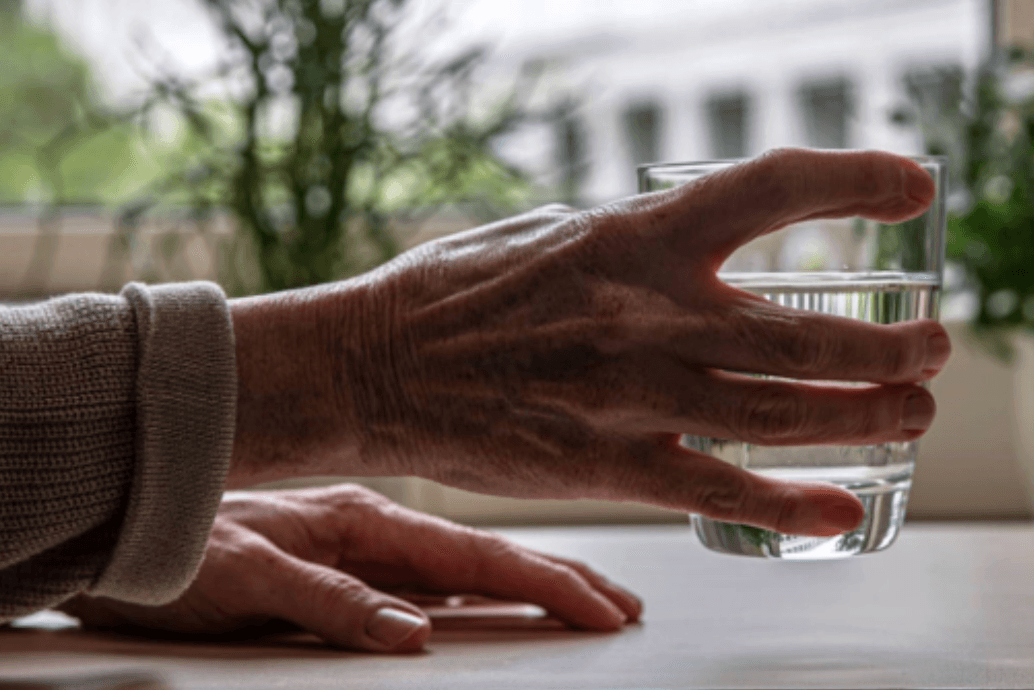
Parkinson’s disease is a movement disorder of the nervous system that worsens over time. The nervous system is a network of nerve cells that controls many parts of the body, including movement. Symptoms start slowly. The first symptom may be a barely noticeable tremor in just one hand or sometimes a foot or the jaw. Tremor is common in Parkinson’s disease. But the disorder also may cause stiffness, slowing of movement, and trouble with balance that raises the risk of falls.
WHAT ARE THE SYMPTOMS?
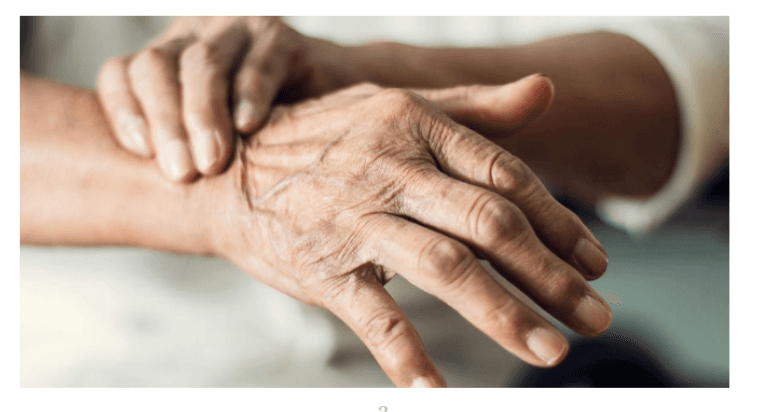
Parkinson’s disease symptoms can be different for everyone. Early symptoms may be mild and may not even be noticeable. Symptoms often begin on one side of the body, then affect both sides. Symptoms are usually worse on one side than the other. Some Parkinson’s disease symptoms are similar to those of other disorders. Parkinson’s symptoms may include:
- Tremors: This rhythmic shaking usually begins in the hands or fingers. Sometimes tremor begins in the foot or jaw.
- Slowed movement (bradykinesia): Making simple tasks more difficult.
- Rigid muscles: Muscles may feel tense and painful, and arm movements may be short and jerky.
- Poor posture and balance: Posture may become stooped, leading to balance issues.
- Loss of automatic movements: Less likely to make certain movements that require little to no thinking, i.e., blinking, smiling, or swinging arms when walking.
- Speech changes: Speech becomes soft or quick, slurred, or there may be hesitation before talking. Speech may be flat or monotone, without typical speech patterns.
- Writing changes: Having trouble writing. Writing may appear cramped and small.
- Nonmotor symptoms: These may include depression, anxiety, constipation, and sleep problems.
WHAT IS THE CAUSE?
In Parkinson’s disease, nerve cells in the brain called neurons slowly break down or die. Many Parkinson’s disease symptoms are caused by a loss of neurons that produce a chemical messenger in the brain. This messenger is called dopamine. The cause of Parkinson’s disease is unknown, but several factors seem to play a role, including:
- Genes: Specific genetic changes are linked to Parkinson’s disease, but are still considered rare in most instances.
- Environmental factors: Exposure to certain toxins or other environmental factors may increase the risk of later Parkinson’s disease. One example is MPTP, a substance that can be found in illegal drugs and is sometimes sold illegally as “synthetic heroin.” Other examples include pesticides and well water used for drinking. However, no environmental factor has been proven to be a cause.
WHAT TREATMENT OPTIONS ARE AVAILABLE?
The disease cannot be cured. However, symptoms can be reduced with medication and various treatments. Physiotherapy, for example, can help.

CAN IT BE PREVENTED?
There are no proven ways to prevent Parkinson’s disease. However, research shows that some factors may help protect against it, although scientists don’t know for sure. These factors include:
- Exercise: Aerobic exercise has been linked to a lower risk of Parkinson’s disease.
- Caffeine: Some studies show a link between drinking caffeinated beverages such as coffee and green tea and a lower risk of Parkinson’s disease.
- Medicines: Some medicines, such as ibuprofen and statins, have been linked to a lower risk of the disease.
COMPREHENSIVE AND COMPASSIONATE CARE
At SMMC, our goal is to improve your quality of life through personalized, compassionate care. From diagnosis to treatment, we are here to support you every step of the way. For more information, please contact the Neurology Department using the information on the back of this brochure.