
sacroiliac (si) joint block
INTRODUCTION
After assessing your medical history, condition and treatment options, the Anesthesiologist/Pain Management Specialist has consulted with you and concluded that a Sacroiliac (SI) joint block is the most suitable treatment option for you. This brochure covers general information about nerve blocks and what you can expect. General information about nerve blocks can be found in the brochure on Nerve Blocks.
WHAT IS AN SI BLOCK?
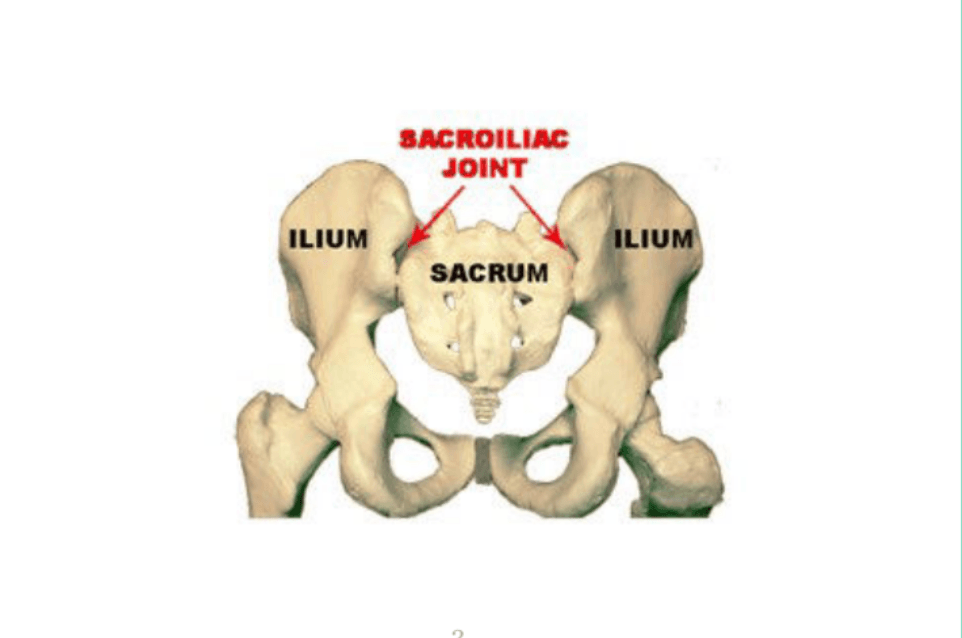
The SI joint is the joint between the sacrum and the ilium at the back of the pelvis. A block of this joint, or of the nerves that run to this joint, can be performed by injecting the joint or nerves with medication or with high-frequency current. An SI block is useful for the following complaints:
- Pain in the lower back or pelvis, which may radiate to the hip or leg
- Pain in the groin
ARE THERE ANY SIDE EFFECTS OR COMPLICATIONS?
All medical treatments and interventions carry some risk, however, treatment for an SI joint block rarely leads to permanent damage. The Anesthesiologist/Pain Management Specialist will also discuss your medical history with you to ensure that there are no other factors that may lead to complications and, if there are, how best to perform the procedure safely with minimal risk.
Possible side effects are:
- Bruising or muscle pain at the site of the injection. If experienced, this can last a few days but can be treated with paracetamol if necessary;
- Sometimes a temporary loss of strength or feeling in the leg can occur. This is temporary and lasts for a few hours. This is why it is important that you are accompanied to the hospital and you do not drive yourself home.
- After treatment with high frequency current, a temporary reduction of the sensation in the skin in the vicinity of the treated SI joint sometimes occurs. After a few weeks, the feeling will slowly return on its own.
- After treatment, hot flashes may occur and menstruation may be temporarily disrupted. Diabetic patients may find that their blood sugar levels are higher than usual for several days.
Additional information
If you have any questions or if you would like more information, please contact the Outpatient Department using the information at the back of this brochure.
- The Pain Management Polyclinic days are Tuesdays and Wednesdays.
HOW DO I PREPARE?
- If you are taking anticoagulants (also known as blood thinners) (e.g. Sintrom®, Marcoumar® or Acenocoumarol, Rivaroxaban or Dabigatran), you must stop this before the treatment. Please consult your Anesthesiologist/Pain Management Specialist to find out how far in advance you should stop.
- Inform the Anesthesiologist/Pain Management Specialist of allergies or hypersensitivities to X-ray contrast fluid or if you are or might be pregnant.
- The treatment almost always takes place as an Outpatient procedure. Do keep in mind that after an SI joint block, you are NOT allowed to drive home yourself because after the block, there may be temporarily less strength in the treated area. You may also feel tired and dizzy after the treatment.
- You are typically allowed to eat and drink as usual for an SI joint block. If you do need to be fasting, the Specialist will discuss this with you in advance.
- If you have a fever on the day of treatment, unfortunately the treatment cannot proceed as scheduled on that day. Please contact the Outpatient Department using the contact information on the back of this brochure as soon as possible!
TREATMENT WITH INJECTION OF MEDICATION
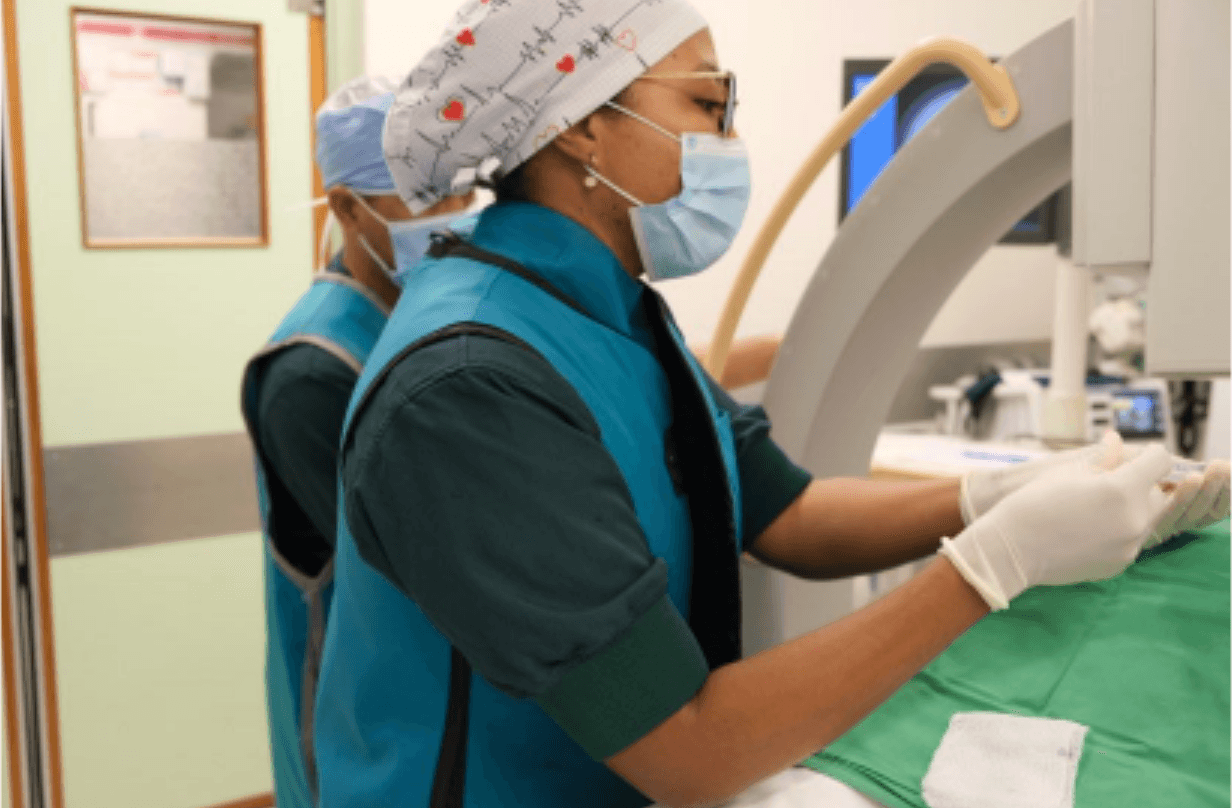
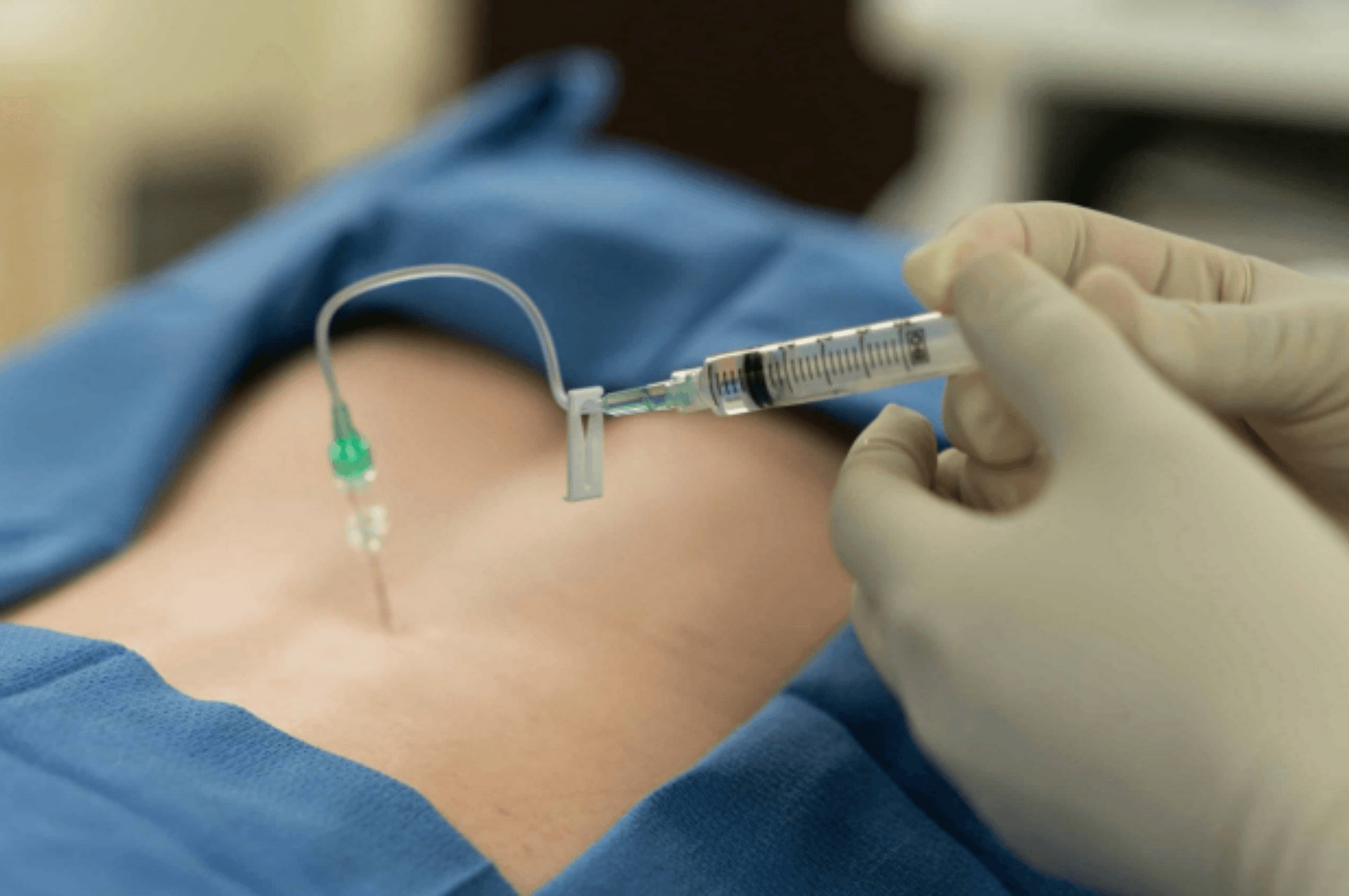
During the 15-minute-long treatment, you lie flat on your stomach. The SI joint is imaged using an X-ray machine and the skin is disinfected and anesthetized. The Anesthesiologist/Pain Management Specialist then places a needle in the SI joint using X-ray images.
Contrast medium is used to determine the precise position of the needle. When the needle is in the correct position, an anesthetic and a corticosteroid (anti-inflammatory) will be injected. The corticosteroid reduces the irritation of the joint and the nerves and allows the pain to subside for a long period of time. The corticosteroid requires a few days to reach optimal levels of effectiveness but it assists in the alleviation of pain for extended periods of time.
A follow-up appointment with the Anesthesiologist/Pain Management Specialist will be planned for six to eight weeks after your treatment.
TREATMENT
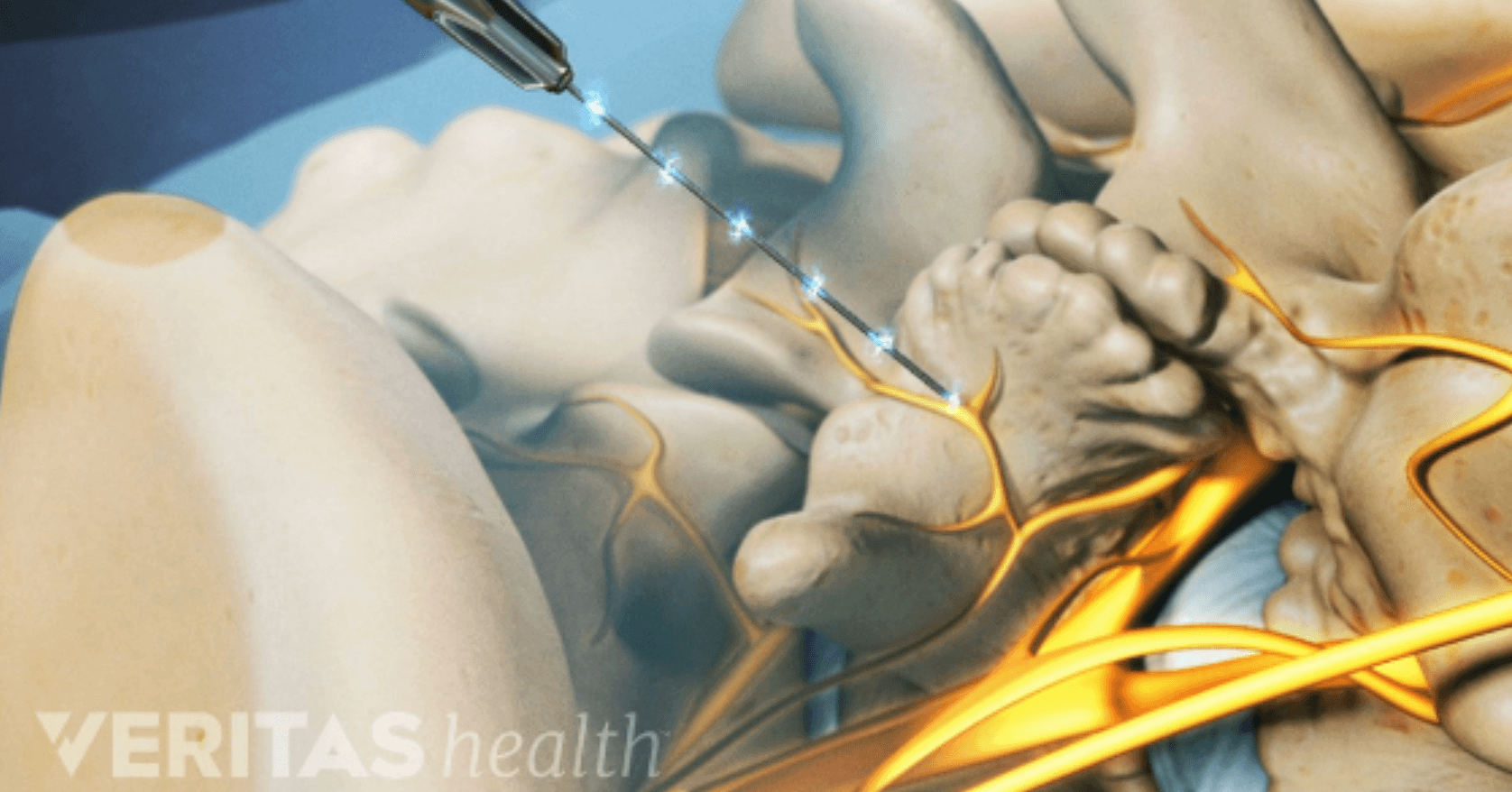
During the 30-minute-long treatment, you lie flat on your stomach. The SI joint is imaged using an X-ray machine and the skin is disinfected and anesthetized. The Anesthesiologist/Pain Management Specialist then places three to six needles close to the SI joint using X-ray imaging.
Test streams are used to determine the precise position of the needles. You will then be asked to indicate when and where you feel the test stream. When the needle is in the correct position, the tip of the needle is heated. This blocks the nerve and reduces pain by influencing pain conduction from the SI joint. In many cases, this causes a reduction in pain.
For the first few weeks after the treatment, your pain symptoms may get worse. This is temporary and you can treat this with paracetamol if necessary.
While the final result of the treatment can only be assessed two to three months after your procedure, you may notice an improvement before that. A follow-up appointment with the Anesthesiologist/Pain Management Specialist will be planned for six to eight weeks after your treatment.