
sinus surgery
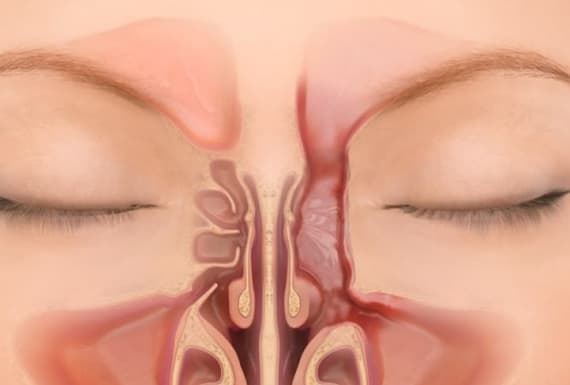
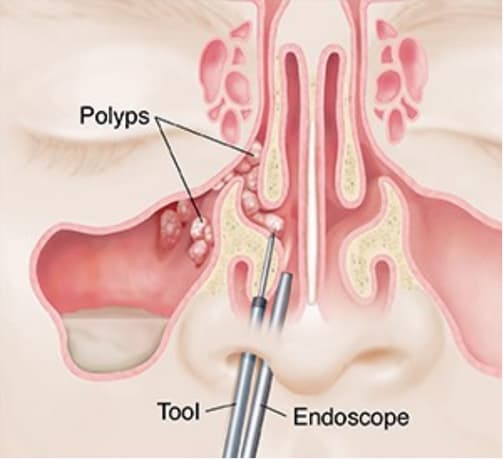
Sinus Surgery consists of:
Functional endoscopic sinus surgery (FESS): Developed in the 1950s, the nasal endoscope has revolutionized sinusitis surgery. The endoscope is used to open the natural pathways to the sinuses. Once an improved drainage system is achieved, the diseased sinus mucosa has an opportunity to return to normal. FESS involves the insertion of the endoscope, a very thin fiber-optic tube, into the nose for a direct visual examination of the openings into the sinuses. With micro-endoscopes and instruments, abnormal and obstructive tissues are then removed. In the majority of cases, the surgical procedure is performed entirely through the nostrils, leaving no external scars. There is little swelling and only mild discomfort. Complications can be headache, slight nasal bleeding and a little hematoma below the eye. The advantage of the procedure is that the surgery is less extensive, there is often less removal of normal tissues, and can frequently be performed on an outpatient basis. After the operation, the patient will have nasal packing. Seven days after the procedure, nasal irrigation with saline water is recommended to prevent crusting. The surgery will take place under general anesthesia. After the surgery nasal packing will be placed in the nose, which will be removed after 1 to 3 days. After surgery the patient will have to use nasal steroids for at least 6 months.